Breaking News: Iran’s Supreme Leader Reportedly Dead Following Israeli Strikes
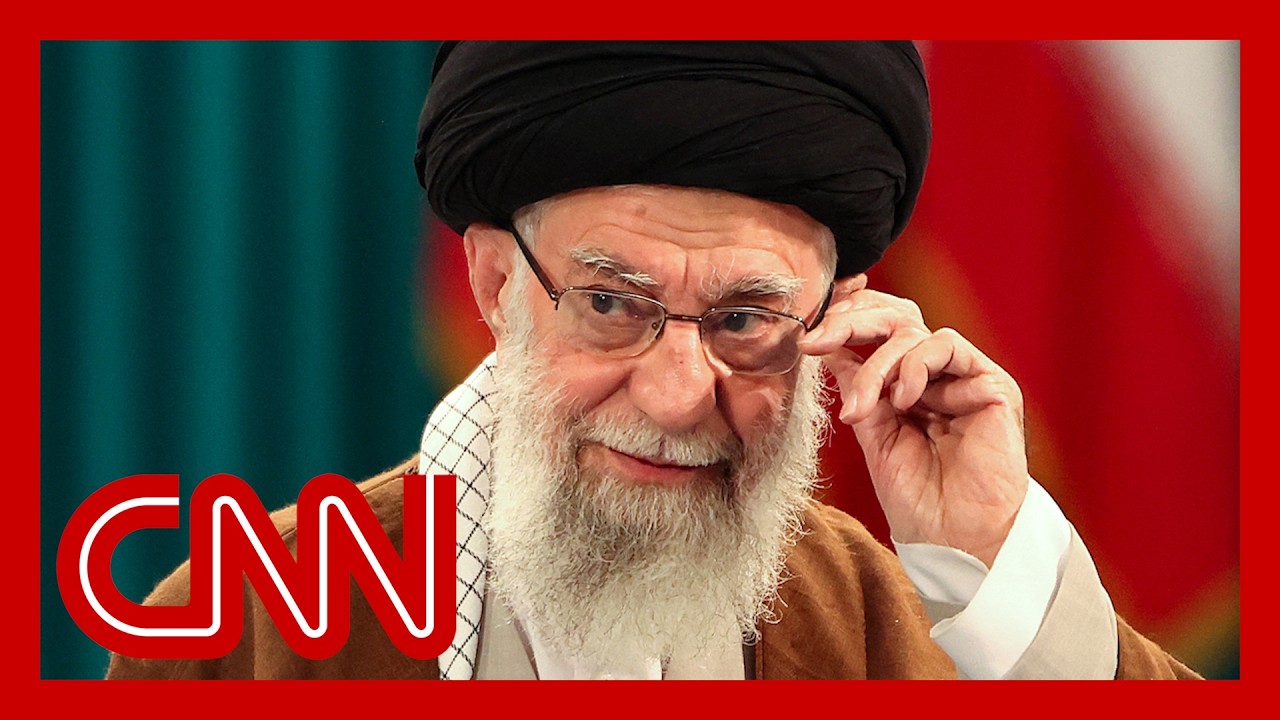
In a dramatic turn of events in the Middle East, reports from Israeli sources indicate that Ayatollah Ali Khamenei, Iran’s Supreme Leader, has been killed during recent military strikes. This information marks a significant milestone in regional geopolitics, raising questions about the future of Iran and its complex political landscape.
According to Israeli sources, the military operations that occurred earlier today specifically targeted senior leadership within the Iranian regime, ultimately resulting in Khamenei’s death. Credible reports have emerged suggesting that the Israeli government possesses photographic evidence of the Supreme Leader’s demise. An official announcement is expected soon, potentially coordinated with statements from U.S. officials, highlighting the close collaboration between the two countries.
The implications of Khamenei’s death are monumental, especially for many Iranian dissidents and protesters who have long sought the fall of a regime they view as oppressive. However, it is crucial to understand that the death of a single leader does not translate into the instantaneous collapse of a governmental structure. The Iranian regime is multifaceted and deeply entrenched, composed of various layers and institutions that extend far beyond the Supreme Leader.
While Khamenei was undeniably a linchpin of the regime, his assassination does not guarantee immediate regime change. His death may, however, act as a catalyst for existing internal dissent. Observers will be keenly watching to see if this event spurs renewed protests among Iranian citizens who have challenged the government in recent months, often at great personal risk.
Before today’s events, there had been widespread speculation about the extent to which Israel and the United States would go to dismantle Iran’s leadership. The strikes that targeted Khamenei were confirmed as part of what has now become known as "decapitation strikes"—military actions aimed at crippling the highest echelons of Iranian power. The strategic intent behind such strikes lies not just in eliminating key figures but in destabilizing the very authority that they represent.
The military action raises further considerations regarding international dynamics. U.S. officials have made it clear that although they have conducted strikes on military targets, the assassination of Khamenei was an operation spearheaded by Israel. This delineation of responsibility, while seemingly significant, may ultimately be less important than the overwhelming coordination that exists between the two allies.
In acknowledging the leadership vacuum likely created by Khamenei’s death, the question looms: Who emerges as Iran’s next leader? The possibility of a power struggle or a shift in leadership dynamics could either strengthen or further fragment the existing regime. Simultaneously, U.S. President Donald Trump has indicated that this development could potentially shape U.S.–Iran relations moving forward.
Reports detailing the strike imply an assertiveness from Israel not previously observed. It emphasizes a shift in regional military strategy, where the elimination of high-ranking officials now appears to be a viable operational goal. Both the U.S. and Israeli governments had previously indicated their frustrations with Iran’s nuclear ambitions and military aggression, and today’s actions may signal a tangible response to those concerns.
The strategic landscape is fraught with uncertainties. Questions remain about what this will mean for the regional balance of power, the efficacy of Iranian dissidents, and how Iranian leaders will react. Will they attempt to consolidate power quickly to mitigate any perceived weaknesses? Or will this lead to more unforeseen conflicts, both domestically and in relation to other countries?
As the situation continues to unfold, the international community watches closely, weighing the potential ramifications of this unprecedented moment in Iranian history. Socio-political analysts are already suggesting that this event could lead not just to shifts within Iran but could reshape broader Middle Eastern dynamics. The ramifications extend far beyond mere leadership change; they touch the fabric of alliances, national aspirations, and the ongoing quest for regional stability.
In conclusion, Ayatollah Khamenei’s reported death is not just a turning point in Iranian politics; it’s a pivotal moment in Middle Eastern history. The coming days and weeks will be critical in determining the trajectory of both Iran’s internal politics and its relations with the international community, particularly the United States and Israel. As we await official confirmations, one thing remains clear: the geopolitical landscape has irrevocably shifted.